
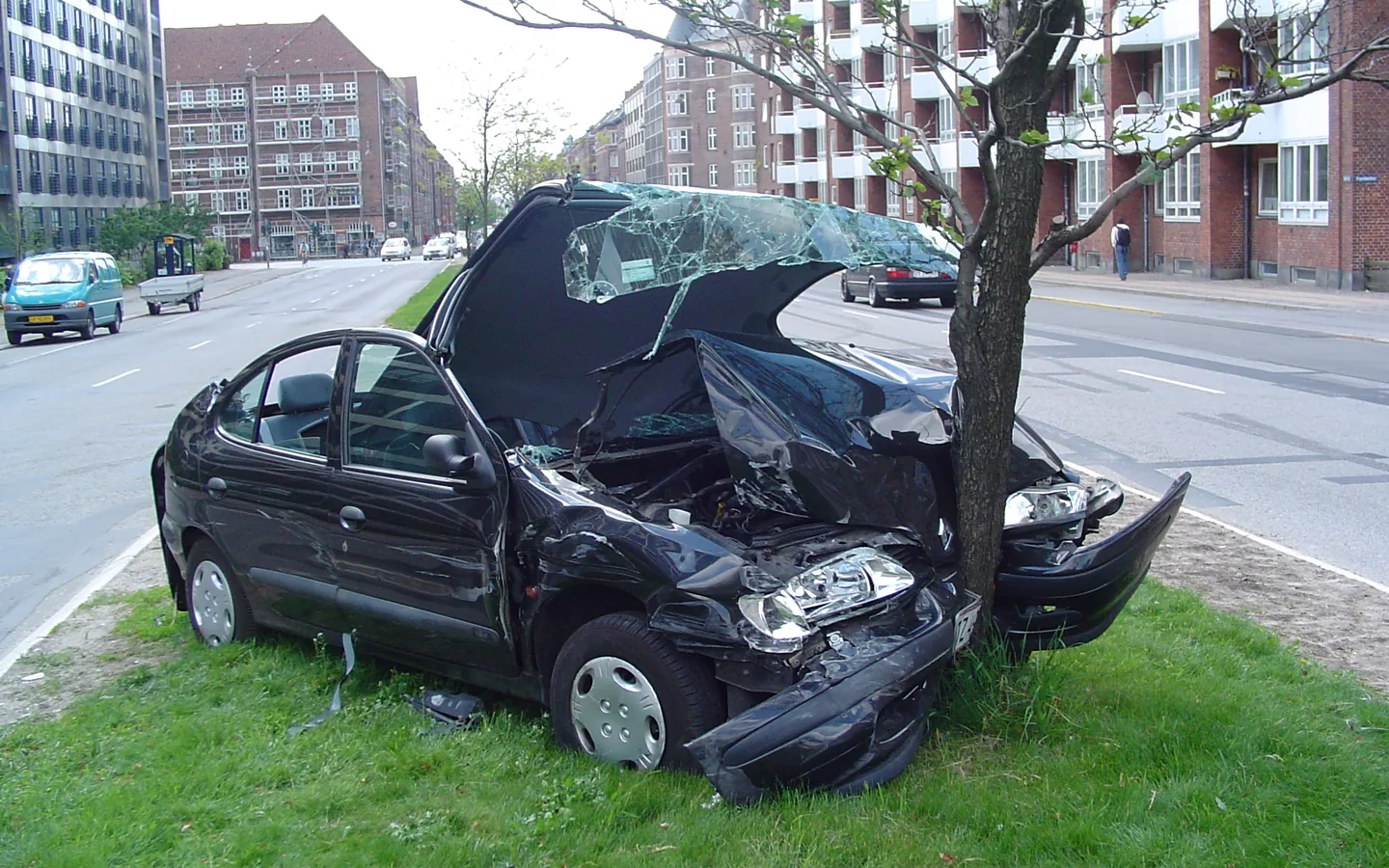

A car accident can turn an ordinary Oklahoma City drive into a series of urgent decisions. The first priority is safety. The next is creating an accurate record without making the situation more dangerous or trying to decide fault at the roadside.
The steps below are general information, not a substitute for advice about a particular collision. If you have an approaching deadline, a serious injury, disputed insurance coverage, or questions about a release, consider speaking with an Oklahoma City car accident lawyer promptly.
1. Check for injuries and move away from immediate danger
Call 911 when someone has a life-threatening injury. If there is no emergency, the Oklahoma Insurance Department advises calling the police directly and obtaining a police report.
Do not move an injured person unless leaving them in place creates an immediate danger or emergency personnel direct you to help. Follow instructions from police, firefighters, paramedics, and traffic-control personnel. If the vehicles can be moved safely and authorities instruct you to do so, relocate to a safer position before documenting additional details.
2. Stay at the scene and exchange accurate information
Do not leave before you have addressed immediate safety and information-sharing duties. Oklahoma Statutes, Title 47, Section 10-104 requires a driver involved in a qualifying accident to provide the correct name, address, and vehicle registration number. Upon request, the driver must also show a driver license and security verification form. The statute also requires reasonable assistance for an injured person when treatment is apparently necessary or requested.
In practical terms, collect:
- Each driver's name, address, phone number, and driver-license information;
- Vehicle owner, license plate, registration, make, model, and color;
- Insurance company, policy information, and agent contact details; and
- The responding agency, report number, and officer information when available.
Write or photograph the information clearly. Do not rely on remembering it later.
3. Photograph the scene before it changes
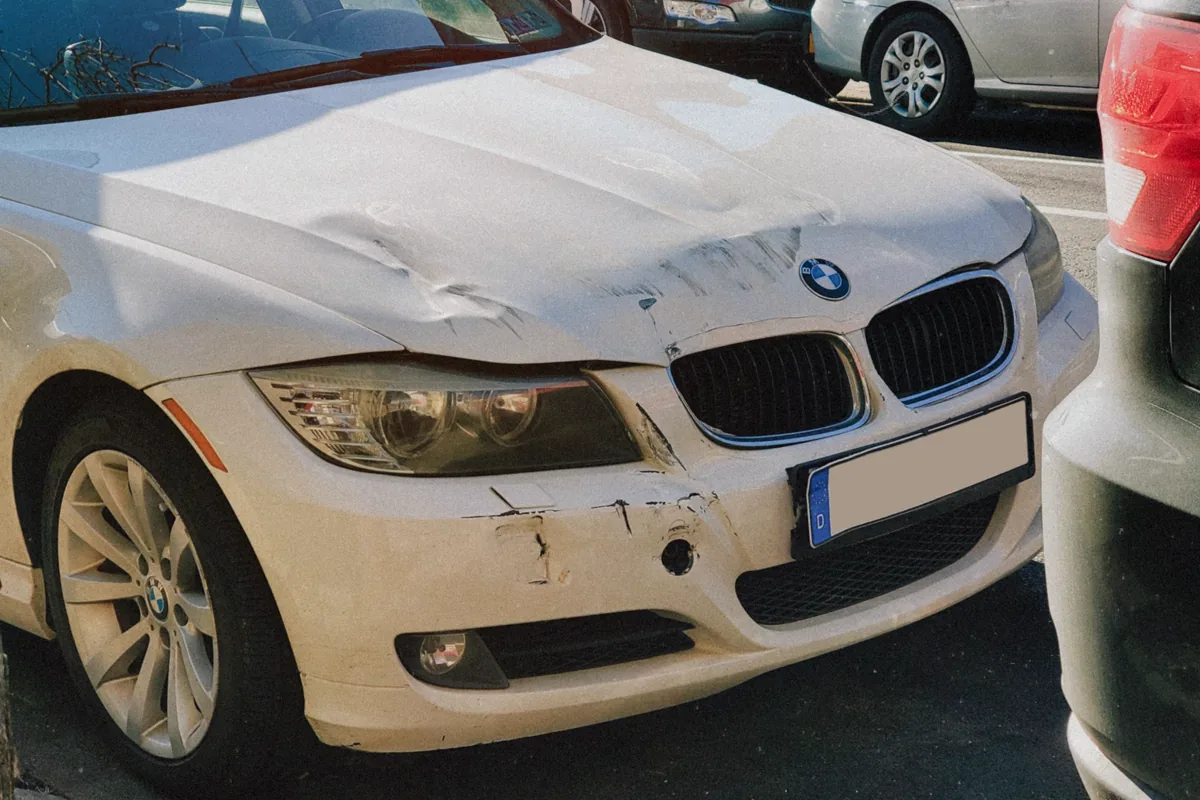
If it is safe, take wide and close photographs before vehicles are repaired or debris and road marks disappear. The Oklahoma Insurance Department recommends photographing the scene and obtaining witness phone numbers.
Useful images may show:
- All involved vehicles and their positions;
- Damage to each side of each vehicle;
- Skid marks, debris, lane markings, traffic lights, and signs;
- Weather, visibility, construction, or road conditions; and
- Nearby businesses, homes, or vehicles that may have cameras.
A short video can record the larger scene, but do not walk into traffic or interfere with emergency work to get it.
4. Identify witnesses without coaching them
Ask witnesses for a name, phone number, and email address. Note where each person was standing or driving when the collision happened. Do not pressure anyone to agree with your account. A neutral record is more useful than a statement shaped by an argument at the scene.
5. Get appropriate medical care and track what follows
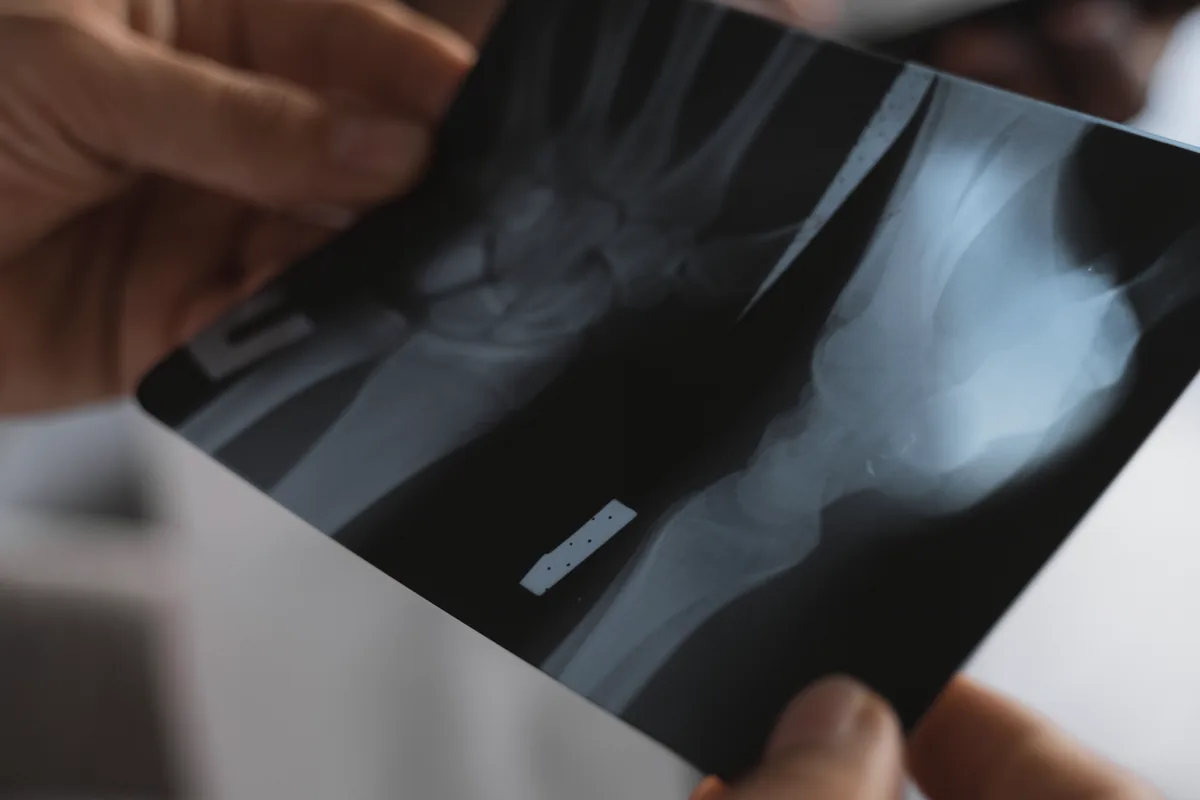
Emergency symptoms require emergency care. Other symptoms may become noticeable after the initial shock of a collision. Describe symptoms accurately to a qualified medical professional and follow the treatment instructions you receive.
Keep discharge papers, appointment summaries, prescriptions, bills, receipts, and mileage connected with treatment. Record missed work and the reason for it. These documents can help explain both the medical timeline and the financial effect of the crash.
6. Notify your insurer and keep a claim log
The Oklahoma Insurance Department recommends contacting your insurance company as soon as possible. Save the claim number, adjuster's name, phone number, email address, and the date of every conversation. Keep copies of estimates, photographs, repair records, rental-car documents, and written insurance decisions.
Provide facts you know. Do not guess about speed, distance, fault, or whether an injury has fully resolved. The department specifically advises drivers not to admit fault at the scene because negligence is evaluated later.
7. Read requests and releases before agreeing
An insurer may request a recorded statement, medical authorization, inspection, estimate, or signed release. Ask what a document covers and whether it is limited to vehicle damage or could affect another part of the claim. Do not sign something you do not understand.
A quick settlement may arrive before the full cost of treatment, missed work, or repairs is known. That does not automatically make the offer unfair, but it is a reason to understand what accepting it would resolve.
Build one evidence file
Create a single digital or paper folder containing the police-report information, driver and witness details, photographs, medical records, bills, repair estimates, wage records, and insurance correspondence. Add a short timeline with dates rather than relying on memory.
Hopson Legal's broader personal injury page explains how documented medical costs, lost income, and other losses may be evaluated. No category of loss is automatic, and every claim depends on its evidence, coverage, and applicable law.
Questions after an Oklahoma car accident
Should I call police after a minor crash?
The Oklahoma Insurance Department advises calling police even when there is no emergency and obtaining a report. Call 911 for a life-threatening injury; otherwise contact police directly and follow the responding agency's instructions.
What information must drivers exchange?
Oklahoma's Section 10-104 identifies the driver's correct name, address, and vehicle registration number. A driver must also show a driver license and security verification form when requested.
Should I admit fault?
No. Exchange facts and cooperate with responders without arguing or accepting blame. The Oklahoma Insurance Department advises against admitting fault at the scene because negligence is determined after the available evidence is reviewed.
What if the other driver does not have insurance?
Notify your own insurer, confirm whether your policy includes uninsured-motorist coverage, and ask what documentation is required. The Oklahoma Insurance Department also suggests discussing legal options when the responsible driver is uninsured.
How quickly should I get legal advice?
Do not assume every deadline is the same. Evidence can disappear and insurance or filing deadlines may apply. Consider prompt advice when injuries are significant, fault is disputed, coverage is denied or limited, a commercial vehicle is involved, or an insurer asks for a broad release.
Discuss the collision with Hopson Legal
Hopson Legal serves clients from its Oklahoma City office. Call (405) 673-7560 or request a free consultation. Mention an approaching deadline, but do not send confidential or time-sensitive information through the public website form.
This article provides general information, not legal or medical advice. The appropriate response to a collision depends on the facts, injuries, insurance coverage, existing records, and applicable law. Viewing this page or submitting an inquiry does not create an attorney-client relationship. See the Privacy Policy.